

What is a fixture in real estate? A fixture is an item that’s permanently attached to a property and is legally considered part of the real estate. In most cases, fixtures stay with the property when you sell or lease the property. Problems usually show up during the final walkthrough. An investor sees certain features, […]
Category Archives: Property Management in Northern Virginia
02
Jan
Jan
At first glance, selling your home and renting it back seems strange. Why would anyone do that? In real life, timing is rarely perfect. A seller might need access to their sale proceeds right away, but still needs a little more time before moving out. So, what is a rent-back agreement, and why does it […]
23
Dec
Dec
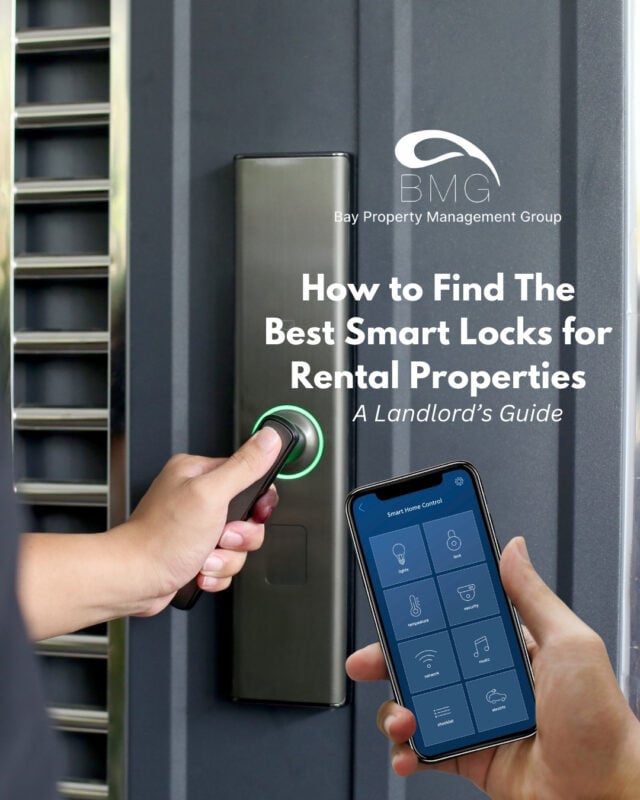
We’ve all been there. A bunch of keys, each labeled with a unit number. Then one tenant moves out, another moves in—and suddenly you’re duplicating keys again, hoping the old ones don’t end up in the wrong hands. Over time, that system makes security harder to manage, not easier. That’s exactly why smart locks are […]

04
Dec
Dec
Whether you’re a landlord seeking stable rental income or a tenant looking for long-term housing security, understanding how long-term lease agreements work is essential. Lease length affects everything from financial planning and turnover rates to housing stability and how both parties prepare for future changes. Without a clear understanding of these terms, landlords and tenants […]

24
Nov
Nov
When a tenant moves out, your property tells a story—but without a clear process, that story can quickly turn into disputes, confusion, and unnecessary costs. Many landlords walk into a move-out inspection expecting a straightforward visit, only to realize that missing photos, vague notes, or unclear expectations make it hard to justify repairs or security […]

10
Nov
Nov
Life doesn’t always go as planned. Sometimes, a new job, growing family, or unexpected change means you must move before your lease ends. Breaking a lease early can be stressful, especially when you’re worried about losing your security deposit or paying hefty penalties. Fortunately, there’s another option that can save you both time and money: finding someone to take over your lease. A lease takeover, also known […]

04
Nov
Nov
Setting up a multi-unit or mixed-use rental business is no small task. You know how much you’ve poured into it — from renovations to keeping everything in top shape. Now, picture losing part of that investment overnight because of a fire, storm, or break-in. Scary, right? That’s why many landlords with these property types are […]

30
Oct
Oct
Have you ever wondered if there’s a way to rent a home now and buy it later, without jumping straight into a mortgage? It sounds like the best of both worlds, right? Some property owners offer lease agreements, such as a lease option, that give tenants a chance to purchase the property once the lease […]
30
Sep
Sep
Commercial leases come with plenty of moving parts. One of the most debated is the co-tenancy clause, which bases a commercial tenant’s rental rate on how well the shopping center around them does. For tenants, it’s a safety net. For landlords, it’s a risk that can cut into income if not handled carefully. In real estate, […]

16
Sep
Sep
Finding the right investment property isn’t always about chasing the hottest listings. Sometimes, the best opportunities are hidden in places that many overlook. One of those opportunities? REO real estate. These homes are ones a bank owns when they don’t sell after a foreclosure–many times below market value. These properties have become a consistent part […]