
When you sign a lease, it usually comes with the expectation that the rules and terms will stay the same until the agreement ends. But sometimes landlords may want to adjust policies, raise rent, or update certain responsibilities before the lease expires, which can leave tenants wondering what is actually legal. So, can a landlord change the lease mid-lease?
The good thing is that landlords usually cannot make big changes to your lease in the middle of your tenancy unless you agree to them. But there are situations where certain updates may still happen, depending on what the lease says and the rental laws in your area. Let’s talk about how that works.
Main Takeaways
- In most cases, landlords cannot change major lease terms during an active lease without the tenant agreeing to it.
- Fixed-term leases usually protect tenants from sudden rent increases, new fees, or major policy changes before the lease ends.
- If lease changes come up, tenants should review the lease carefully, request everything in writing, and understand their local rental laws.
Can Lease Terms Be Changed After Signing?
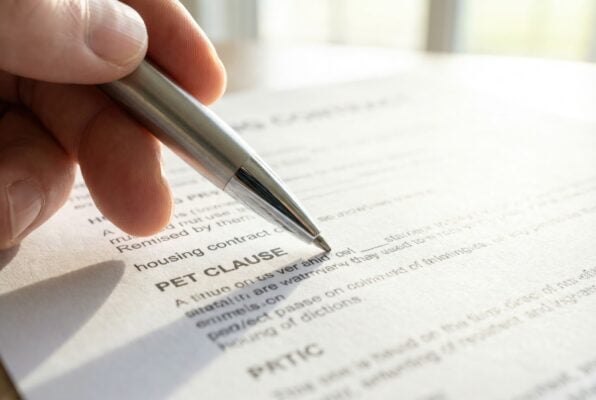 In most situations, a signed lease cannot be changed suddenly just because one side wants different terms. Once you sign the lease with the landlord, the agreement is expected to stay in place until the lease period ends. That is why, as resident managers in Washington, D.C., we encourage tenants and landlords to carefully review lease terms before signing anything.
Now, going back to the lease agreement, some things like rent, pet rules, parking, and maintenance responsibilities are all expected to stay the same during the lease. And your landlord cannot change it halfway through without talking to you or following the proper steps.
However, that does not entirely mean a lease cannot be changed. As you will see in many leases, some clauses allow certain adjustments during the tenancy. That is why you need to read the lease carefully and understand it.
When Is a Lease Change Legally Allowed?
There are situations where lease changes can happen. But in most cases, both the landlord and tenant must agree on those changes first.
A lot of the time, this is done through a written lease amendment. Basically, it is an extra document added to the original lease explaining the new terms. Once both sides sign it, those new terms become part of the agreement.
Sometimes, changes happen because of new laws or property rules. For example, a city may introduce new safety requirements that landlords must follow. In this case, landlords may ask tenants to sign an updated lease reflecting those changes.
You may also notice that some leases already mention certain changes ahead of time. As we said, you will find that some clauses may already address situations in which a lease may change during the lease period. It would look something like this:
“Management may update parking rules or shared area rules during the lease period after giving notice to tenants.”
That is pretty common in larger apartment communities or HOA-managed properties. But even then, landlords still cannot make unfair changes that completely go against the original lease or violate housing laws.
What Happens If You Don’t Agree to Changes?
 Now, assuming that you haven’t agreed with your landlord on some changes, what happens?
If a landlord proposes changes during an active lease and you do not agree to them, the original lease terms will usually remain in effect until the lease expires. In simple terms, one side generally cannot force major lease changes on the other without consent.
Let’s say, for instance, that your landlord suddenly wants to add new monthly fees. In this case, you may have the right to refuse those changes, depending on local laws and the lease’s wording. However, your landlord’s rent-increase policies may already be included in the lease, and those terms may apply during the tenancy.
Situations can become more complicated if the disagreement involves lease violations, safety concerns, or legal compliance matters. Some landlords may also choose not to renew the lease once the current term ends if both parties cannot agree to move forward.
Can Rent Be Increased Mid-Lease?
We have mentioned rent because that is a very sensitive matter. Can your landlord decide to increase your rent during your tenancy? That can be answered in two ways. One, if your lease is a fixed-term lease, your landlord cannot raise the rent before the lease period ends. That is one of the main protections tenants get with a long-term lease agreement.
For example, if you signed a one-year lease with a set monthly rent, that amount will generally stay the same until the lease expires. The landlord would normally have to wait until renewal time to increase the rent.
On the other hand, if your lease is a month-to-month rental, it works differently. In those situations, your landlord may increase the rent, but only with proper written notice as required by state or local law. Please note that the notice period may vary depending on the property’s location.
Some cities also have laws that control how much landlords can raise rent and when they are allowed to do it. Because of that, you should always check local housing regulations instead of assuming the same rules apply everywhere.
What Should You Do If Your Lease Is Changed?
If your landlord suddenly brings up lease changes in the middle of your lease, do not panic right away. Instead, go through your lease first and see whether it already mentions those kinds of changes. That is usually the best place to start:
Situation |
What You Should Do |
| Your landlord wants to change the lease | Read your lease carefully first to see if the issue is already explained there. |
| The landlord explains changes verbally | Ask for everything in writing so there is less confusion later. |
| The change feels unfair or confusing | Check your local rental laws or speak with a legal professional. |
| You agree to the new terms | Make sure both you and the landlord sign the updated agreement. |
What you need to know is that lease changes should never feel rushed or confusing. If the landlord suggests that, then you need to go back to your lease and confirm if it was part of the initial agreement.
Understand Your Lease Rights With More Confidence
 Lease changes can feel confusing, especially if there are new rules, fees, or policy updates that come up during your tenancy. And honestly, many tenants are not always sure what landlords can legally change once the lease has already been signed.
At Bay Property Management Group, we believe tenants should have clear communication and a better understanding of their rental agreements. Our team works to help residents stay informed throughout their tenancy. We help residents better understand their lease agreements, maintain open communication throughout their tenancy, maintain the property, and more.
That said, if you are searching for a well-managed rental home, explore our available listings today and find a home that fits your needs.
