
At some point, you may find yourself thinking about whether to continue with a tenant or not. And there could be valid reasons for that. Maybe things haven’t been smooth, or you’ve just decided to go in a different direction. Either way, the lease is coming to an end, and you have to decide what comes next.
So, can a landlord refuse to renew a lease? In most cases, yes, you can. A lease has a fixed term, and once it expires, you’re not automatically required to renew it. That decision is usually in your hands.
However, choosing to renew isn’t just about preference. There are legal boundaries around how and why that decision is made. Let’s look at it in more detail.
Main Takeaways
- You can refuse to renew a lease in Northern Virginia, but your decision still needs to follow fair housing and anti-retaliation laws.
- Most non-renewals come down to patterns like late payments, lease violations, or changes in your plans for the property.
- How you handle the process matters—giving proper notice and staying compliant helps you avoid delays, disputes, or legal issues.
Can a Landlord Legally Refuse to Renew a Lease?
 Yes, a landlord can legally refuse to renew a lease. Once that lease ends, you have the option to either renew it or let it expire. That basically means you’re generally not required to offer a renewal. But here is the catch: from our experience in property management in Northern Virginia, that decision still has to follow the law.
You can’t just wake up and refuse to renew your lease for reasons that cross legal lines. For example, it shouldn’t be based on discrimination or used to push a tenant out for something like requesting repairs.
Also, location can influence your decision to refuse lease renewal. Some cities and states have stricter rules tied to that. Luckily, in Northern Virginia, you generally don’t need to give a specific reason to refuse renewal, especially if the lease is simply ending, though this may depend on local laws.
But you still need to make sure your decision doesn’t violate fair housing laws or come across as retaliatory.
Common Reasons Landlords Choose Not to Renew a Lease
At times, the decision not to renew a lease comes down to patterns you’ve already noticed. Other times, it has more to do with your plans for the property.
Reason |
What It Looks Like in Real Life |
| Late rent payments | Rent keeps coming in late, even if it’s eventually paid. Over time, that uncertainty adds up. |
| Lease violations | Things like unauthorized pets, extra occupants, or repeated breaches of the agreement. |
| Property plans | You may be planning to sell, renovate, or use the property differently. |
| Personal use | Deciding to move in yourself or have a family member occupy the unit. |
| Market changes | Rental prices have shifted, and you want to relist under new terms or pricing. |
| Overall experience | Ongoing communication issues or repeated minor concerns that impact the tenancy. |
As you can see, not every decision comes down to one big issue. Most of the time, it’s a mix of small patterns that build up over time.
Notice Requirements for Lease Non-Renewals
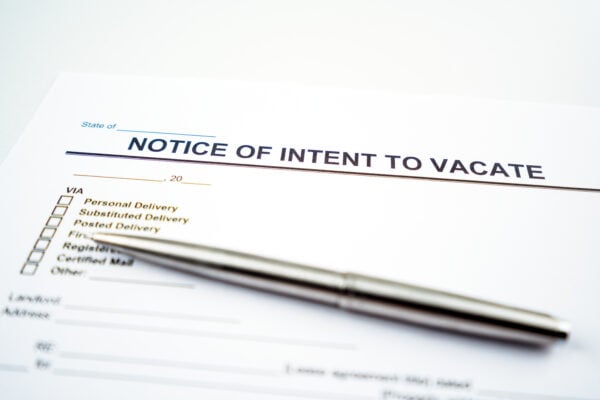 Even if you decide not to renew a lease, it’s not something you can leave until the last minute. In most cases, you’re expected to give advance written notice to your tenant. But the duration depends on your lease and local laws.
A common timeline looks like this:
- 30 days’ notice for month-to-month leases
- 60 days or more in some cases, especially for longer tenancies
In Northern Virginia, many landlords follow these general timelines, but it’s always worth double-checking your lease to avoid issues.
That said, the notice should be clear and written, and you need to do it within the required time frame. If you miss this step or delay it, you may find yourself complicating the whole process. And in some cases, it may even affect how soon you can regain possession of the property.
So while choosing not to renew is within your control, the way you handle the notice is just as important as the decision itself.
Situations Where Refusing Renewal May Not Be Allowed
Now, let’s look at where this decision can get you into trouble. So, as we already mentioned, though you can choose not to renew a lease, there are situations where that decision can cross legal lines. And the biggest one is discrimination.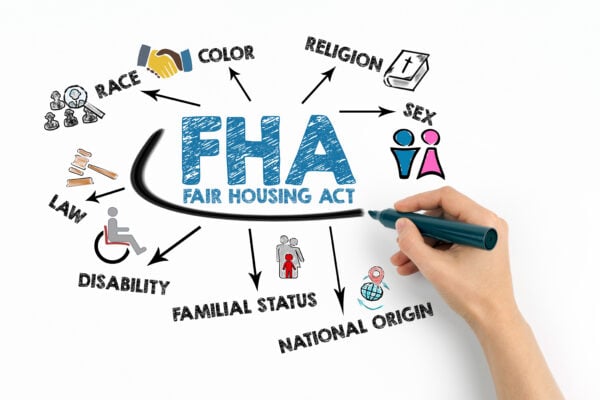
Under federal fair housing laws, you’re not allowed to refuse renewal based on things like:
- Race
- Color
- Religion
- Sex
- National origin
- Disability
- Familial status
In Virginia, these protections also extend to things like a source of income, which includes housing vouchers. So that’s something to be mindful of when making a decision.
Then there’s retaliation. If your tenant reports unsafe living conditions, requests necessary repairs, or files a complaint with a local authority, that shouldn’t be the reason behind a non-renewal. And if you decide not to renew the lease shortly after something like this, it can raise questions. It may even be seen as a response to the tenant speaking up, which can turn into a legal issue.
In Virginia, you’re generally not required to give a “just cause” when a lease ends. But that doesn’t mean anything goes. Decisions tied to situations like these can quickly cross the line.
How Property Managers Handle Lease Renewals and Non-Renewals
As a landlord, these decisions don’t have to feel uncertain or reactive. Property managers approach lease renewals and non-renewals with a clear system, so nothing is left to guesswork.
As the lease gets closer to its end date, they’ll usually look at things like:
- Payment history
- Lease compliance
- Overall communication with the tenant
From there, the next step becomes clearer. You might choose to renew the lease, adjust the terms, or move forward with a non-renewal. If you decide to renew, everything is updated properly—rent, timelines, and any changes to the agreement.
If you decide not to renew, the focus shifts to handling it the right way. That means giving proper notice, setting clear expectations, and making sure the transition is smooth from start to finish.
And this part matters more than it seems. Because when the process is handled well, you avoid confusion, reduce the risk of disputes, and keep things moving without unnecessary stress.
How BMG Supports You Through Lease Decisions
At the end of the day, deciding whether to renew a lease isn’t always straightforward. Sometimes the signs are clear. Other times, it takes a closer look to make the right call.
And that’s where we come in. At Bay Property Management Group, we help you look at the full picture before making a decision. That includes reviewing tenant history, lease compliance, and any patterns that may affect your property in the long term.
If you choose to renew, we make sure everything is updated properly—from rent adjustments to lease terms—so there are no loose ends. And if you decide not to renew, we handle the process with care. From preparing the notice to guiding the timeline, everything is done in a way that keeps you compliant and avoids unnecessary back-and-forth. Contact us today!
