
Lately, there’s been more attention around tax rules tied to property improvements. And that’s because certain incentives continue to evolve. Which has many rental owners asking the same question: Can I deduct remodeling expenses for rental property?
The short answer? Sometimes yes.
It all comes down to how the IRS classifies the work. Some remodeling projects qualify as repairs and may be deducted in the same year. Others are considered capital improvements and must be depreciated over time.
Before you assume every renovation is an immediate write-off, you need to understand how remodeling expenses are treated for tax purposes. That way, you can make smarter decisions about upgrades you’ve completed or plan to take on next. Let’s get into it.
Main Takeaways
- Most remodeling expenses for rental property cannot be deducted immediately. They are typically recovered over time through depreciation (usually 27.5 years for residential rentals).
- The key difference is classification. Repairs may be deducted in the same year, while major upgrades that add value or extend the property’s life are treated as capital improvements.
- If you’re remodeling before selling, improvement costs are often added to the property’s cost basis, which may reduce capital gains instead of providing a current-year deduction.
Can I Deduct Remodeling Expenses for a Rental Property?
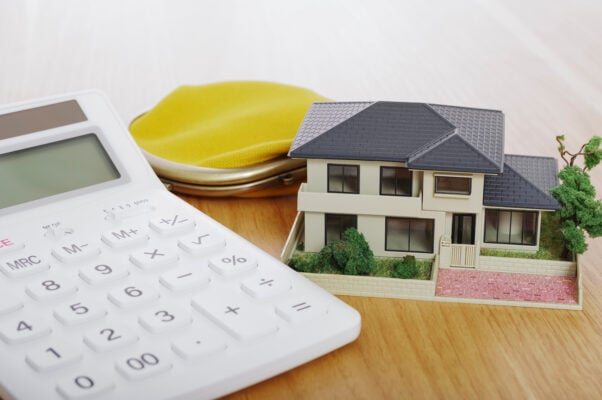 In most cases, not all at once. If you ask experienced property management companies in Washington, D.C., they’ll tell you remodeling projects are treated differently from small repairs. The IRS considers most major upgrades to be improvements that add value to the property or extend its life.
So, instead of deducting the full cost in the same year, you recover the expense gradually through depreciation. Now, for residential rental property, improvements are typically depreciated over 27.5 years.
Note: If you’re remodeling because you plan to sell the property instead of continuing to rent it, the tax treatment may be different. In many cases, those improvement costs are added to the property’s cost basis. That means they can reduce the capital gains you owe when you sell, rather than giving you an immediate deduction in the current year.
But What Could Be Considered Remodeling?
Think about the last time a tenant moved out. Did you simply touch up the paint and fix a few loose handles? Or did you decide the unit needed a full refresh to stay competitive?
Remodeling usually involves bigger changes. The kind that improves the property or upgrades it beyond its original condition. For example:
- You replace all the kitchen cabinets instead of repairing one broken door.
- You install new hardwood flooring throughout the unit instead of patching a small section of carpet.
- You renovate the entire bathroom rather than just swapping out a faucet.
- You add a deck or finish a basement to increase usable space.
These projects don’t just fix wear and tear. Instead, they improve the property in a noticeable way. They may increase rental value, attract stronger tenants, and extend the property’s useful life.
That’s generally what places them in the remodeling category.
How Depreciation Works on Remodeling Expenses
 When a remodeling project is classified as an improvement, you don’t deduct the full cost in one year. Instead, the IRS allows you to spread that expense out over time. This process is called depreciation.
As we said earlier, residential rental property improvements are typically depreciated over 27.5 years. That means the cost is divided across that period, and you deduct a portion each year.
Let’s make it practical.
Say you spend $27,500 on a kitchen remodel in your rental property. Instead of deducting $27,500 in one tax year, you would generally deduct about $1,000 per year over 27.5 years. So, you still recover the full amount, but it happens gradually.
Depreciation reflects the idea that major upgrades provide value over many years. Not just the year you installed them.
When Can You Deduct Remodeling Costs?
Most major remodeling projects are recovered over time through depreciation. But that doesn’t mean every dollar automatically gets spread out over 27.5 years.
In some situations, part of the cost may be deducted sooner.
For example, if the work qualifies as a repair rather than a true improvement, you may be able to deduct it in the same year. The same applies if the expense falls under certain IRS safe harbor limits for small taxpayers, or if the work is considered routine maintenance that keeps the property in normal operating condition.
But what does that look like in practical terms?
If you replace a few damaged floorboards, that could be treated as a repair. If you tear out and replace all the flooring throughout the property, that’s usually considered an improvement.
The distinction often comes down to scale and purpose. Are you restoring the property to how it was? Or are you upgrading it beyond its original condition?
Best Time of Year to Remodel Rental Property for Tax Benefits
 There isn’t a single “perfect” month to remodel purely for tax reasons. What matters most is when the improvement is placed in service.
In simple terms, depreciation usually begins when the upgraded feature is ready and available for rent. So if you complete a remodel and the unit is back on the market before the end of the tax year, you may begin recovering that cost sooner.
Some landlords choose to complete major projects before year-end to start depreciation that same year. Others plan renovations early in the year to spread out cash flow and avoid rushing decisions.
The real advantage comes from planning. If you already know you’re upgrading a kitchen or replacing flooring, think about how that expense fits into your overall income for the year. Some landlords complete major improvements in years when rental income is higher, so the depreciation helps offset it.
Plan Your Next Rental Upgrade With Confidence
Upgrading a rental property can increase value and attract better tenants. But how you handle those expenses matters just as much as the renovation itself. Remodeling a rental property is never just about the finishes. It affects rent pricing, tenant demand, and long-term returns.
As Bay Property Management Group, we work with landlords every day. If you are deciding whether to update a kitchen, replace flooring, or refresh a unit during turnover, we can help. Our team helps you think through what makes financial sense, what will attract qualified tenants, and how upgrades may impact your rental value.
Because in the end, smart property management isn’t just about maintaining a unit. It’s about protecting your investment and helping it grow. Contact us today to discuss your next rental upgrade.
