
If you live with a cat, you probably know the moment. You step into your apartment and notice a smell that wasn’t there before. Your first thought is often, “Is it my cat?”
When it comes to how to get rid of cat smell in an apartment, the truth is a little more reassuring. Cats themselves are usually clean animals, and most lingering odors come from things around them. That includes litter boxes, accidents, or fabrics that quietly hold onto smells over time.
The good news? Cat smell doesn’t have to be permanent. With the right approach, it’s usually easier to fix than people expect. Let’s get into the steps.
Main Takeaways
- Cat smell usually comes from the environment, not the cat itself. With regular cleaning, ventilation, and the right products, it can be managed.
- A step-by-step approach works best. Litter box care, enzyme cleaners, and good airflow help remove odors and keep them from coming back.
- In apartments, staying ahead of pet odors helps keep your home comfortable and prevents smells from spreading.
Step-by-Step: How to Get Rid of Cat Smell in an Apartment
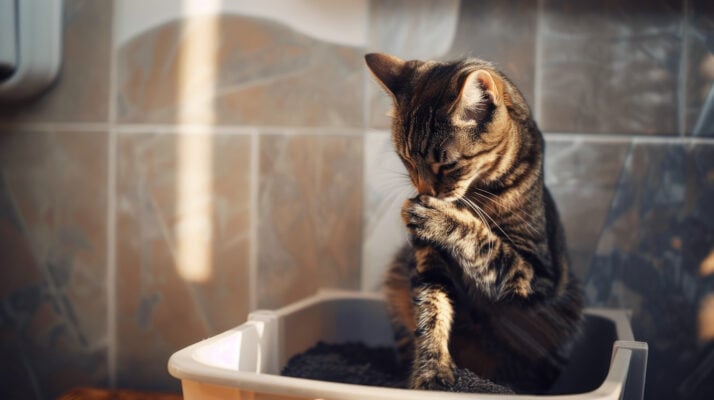 Most cat odors have a clear source, and once you figure that out, dealing with the smell becomes much more manageable. For renters working with property management in Northern Virginia, like BMG, questions about pet odors come up from time to time. It becomes an issue only when the smell sticks around longer than expected.
Let’s walk through what actually works in getting rid of cat smell:
Step 1: Deep Clean the Litter Box (Daily Scooping + Weekly Full Wash)
If there’s a cat smell in your apartment, the litter box is usually the first culprit. Even with regular scooping, odors can quietly build up in the box itself and linger longer than you’d expect.
So, consider scooping daily to keep things under control. But if the smell still lingers, it’s probably time to give the litter box a proper clean. Every so often, empty it out completely, wash it with mild soap, and let it dry before adding fresh litter. That small reset goes a long way in keeping odors from creeping into the rest of your apartment.
Step 2: Use Enzyme Cleaners for Urine Spots
Cat urine has a way of soaking in and refusing to leave. You might wipe the surface clean, but the smell hangs around because it sinks into carpets, rugs, and even the seams of the floor. That’s usually where standard cleaners fall short.
Enzyme cleaners work a little differently. Instead of covering up the odor, they actually break down what’s causing it. Spray the cleaner directly on the spot and let it sit for a bit so it can do its job. Once it’s had time to work, you can blot or vacuum the area. That patience pays off, since the odor-causing compounds break down and disappear rather than sticking around
Step 3: Wash the Cat! (Or at Least Wipe Down Fur)
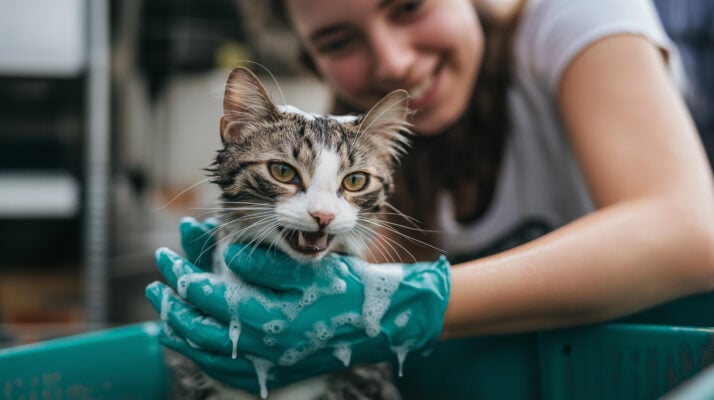 Cats usually keep themselves clean, but that doesn’t mean they never pick up smells. Litter dust, urine residue, or even the surfaces they lie on can cling to their fur over time. When that happens, those smells can travel right back into your apartment.
If your cat is okay with it, a quick bath using a cat-safe shampoo can help from time to time. For most cats, though, that’s not necessary. A gentle wipe-down with pet-safe wipes or a damp cloth usually does the trick. It’s a small effort, yes, but it can make a noticeable difference in keeping your space smelling fresh.
Step 4: Wash or Replace Soft Furnishings (Curtains, Rugs, Cushions)
Soft furnishings make an apartment feel cozy. Unfortunately, they also hold onto smells. Fabric items around the home can absorb cat odors over time. This is especially true when litter box or urine smells linger in the room.
If something is washable, start there. Use warm water and a pet-safe detergent. Let everything dry fully before putting it back. For older items, or fabrics where the smell won’t come out, replacement may be the better option.
Step 5: Ventilate — Open Windows, Fans, Air Out Rooms
In some cases, getting rid of cat smell isn’t about cleaning harder. It’s about letting fresh air do its job. Just like it does with other everyday smells. When windows stay closed, and air doesn’t move, odors have nowhere to go. They settle into the room and hang around longer than they should.
So when you notice a strong smell, open the windows if you can. Use fans to keep air moving and help push lingering odors out. Airing out rooms regularly also makes a difference, especially after cleaning. It’s a simple step, but it helps keep smells from getting trapped in your apartment.
Step 6: Use Air Purifiers With HEPA + Activated Carbon
Even after you’ve cleaned and aired out your apartment, some smells can still hang around. That’s usually when people start looking at air purifiers, as they help deal with the stuff you can’t see and the odors that seem to float in the air.
Purifiers with HEPA filters catch things like pet dander. Activated carbon filters handle smells. Used together, they can make a noticeable difference, especially in smaller apartments or rooms where cat odors tend to build up. They’re not a replacement for cleaning, but they work well as an extra layer of odor control.
Preventing Future Cat Smells in Your Apartment
Now that you know how to get rid of cat smell in an apartment, the next step is making sure it doesn’t keep coming back. A few simple habits can go a long way in preventing odors before they settle in.
 Scoop the litter box daily. Even one missed day can allow odors to build up, especially in smaller apartments.
- Deep clean the litter box weekly. Washing the box regularly helps remove residue that holds onto smells.
- Place a litter mat under the box. This helps catch litter dust and urine that might otherwise end up on the floor.
- Wash pet bedding and blankets often. These fabrics absorb odors faster than you may notice.
- Keep air moving. Open windows when possible and use fans to prevent smells from settling in one area.
- Wipe down your cat’s fur when needed. Pet-safe wipes can help reduce odor transfer without stressing your cat.
- Act quickly on accidents. The sooner you clean urine spots with enzyme cleaners, the less likely smells are to linger.
 Scoop the litter box daily.
Is Cat Smell a Lease Violation? What Tenants Should Know
Today, most landlords allow pets in their apartments. Issues usually come up only when a pet starts affecting other people’s peace. That could mean a dog barking nonstop, a pet behaving aggressively, or anything that spills over and disturbs neighbors.
Odors fall into that same category. Not because having a pet is wrong, but because smells can travel in apartments where units sit close together. That said, a cat’s smell on its own doesn’t automatically mean there’s a lease problem. It usually becomes a concern only when the odor lingers, spreads beyond the apartment, or starts affecting shared spaces or nearby units.
From our experience with Northern Virginia rentals, most situations like this are resolved early when tenants stay on top of cleaning and ventilation. When odors are managed, they rarely turn into bigger issues.
Looking for a Pet-Friendly Apartment in Northern Virginia?
Living with a cat doesn’t mean living with lingering smells. In most cases, cat odor comes down to a few manageable areas, like litter boxes, soft furnishings, and airflow. With consistent habits and the right cleaning approach, it’s completely possible to keep your apartment fresh. The key is staying ahead of odors instead of waiting until they settle in.
If you’re searching for a rental management company that understands both tenants and pets, Bay Property Management Group is here for you. We offer a range of pet-friendly apartments across Northern Virginia, as well as other locations. Our team focuses on creating comfortable living spaces where you can enjoy your homes with your pets, without unnecessary stress. That said, feel free to explore available rentals and find a place that feels right for both you and your cat.
