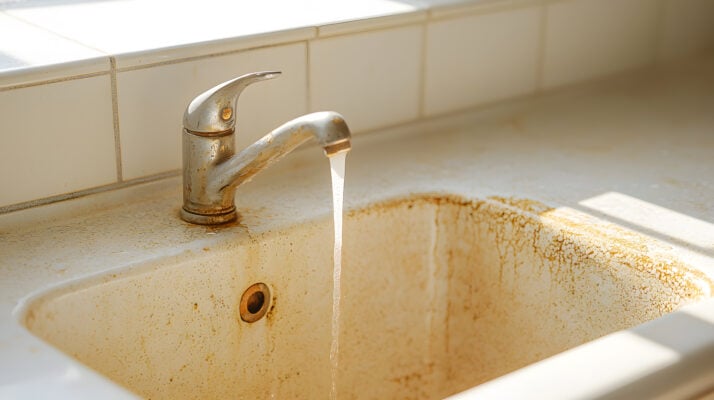
Have you ever moved into an apartment and, after a few weeks, started noticing strange white stains around the sink? And sometimes, when you wash your dishes, they come out looking cloudy. In most cases, these are signs of hard water. It happens naturally, so it’s not anyone’s fault, but is hard water the landlord’s responsibility?
Hard water by itself may not be considered the landlord’s responsibility. However, it may become their responsibility if hard water starts to cause damage to the property or create maintenance-related issues. Let’s get into it in more detail.
Main Takeaways
- Hard water is actually very common in rental properties. Sometimes it only causes small cosmetic issues, but over time, it can start affecting appliances and plumbing systems.
- Many tenants first notice hard water through things like cloudy dishes, white sink stains, dry skin after showers, or weak water pressure around the house.
- Once hard water starts damaging the property or creating repeated maintenance problems, landlords may need to step in and address the issue.
What Is Considered a Maintenance Issue in a Rental?
A maintenance issue refers to any issue with the property that may impact the condition, safety, or functionality of the home. These issues may be with plumbing systems, water heaters, and major appliances, among others. That said, landlords are generally responsible for maintaining habitable living conditions under local landlord-tenant laws. For that reason, any tenants who rent with experienced property management companies in Washington, D.C., usually report maintenance concerns directly through the management team.
Now, when it comes to hard water, it creates problems slowly. Unlike a leaking pipe or a broken heater, it is usually not something tenants notice overnight. Instead, mineral deposits gradually build up over time. When we talk about minerals, we mean calcium and magnesium, which are the reasons why water becomes hard. And while that may not sound serious in the beginning, those minerals can slowly start collecting inside pipes, faucets, dishwashers, washing machines, and even water heaters.
At first, you may only notice cosmetic issues, like the kitchen sink developing white stains shortly after cleaning. Or your glass cups start looking cloudy, no matter how thoroughly you wash them. But over time, the issue can start affecting the property itself.
Is Hard Water a Habitability Issue?
Landlords are expected to provide tenants with a livable home. But does hard water automatically make a rental uninhabitable? Not necessarily.
In many rentals, hard water by itself is usually more of a maintenance frustration than a habitability issue. Tenants may notice cloudy dishes, white buildup around faucets, dry skin after showers, or soap scum that keeps coming back, no matter how much cleaning they do.
The bigger concern starts when the problem begins affecting normal living inside the home. For example, repeated water heater problems, clogged plumbing fixtures, or constantly low water pressure can eventually become harder to ignore.
When Should a Landlord Step In?
At first, hard water may only seem like a small annoyance around the house. Maybe it is just cloudy dishes or white stains showing up around the sink again after cleaning.
But after some time, the problem can start affecting other parts of the home too. Faucets may clog more often, water pressure may start feeling weaker, and appliances can slowly begin wearing out faster because of mineral buildup.
And once the issue starts affecting the property itself, that is usually when landlords may need to step in.
In many rentals, tenants commonly notice problems like these:
Common Hard Water Problem |
How It Affects Daily Living |
| White residue around sinks and faucets | Surfaces look dirty shortly after cleaning |
| Shower heads clog repeatedly | Water pressure becomes weaker over time |
| Soap scum buildup in bathrooms | Cleaning starts becoming more frustrating |
| Stiff laundry after washing clothes | Clothes may feel rough or less fresh |
| Dry skin and brittle hair | Some tenants feel uncomfortable after showers |
| Appliances wear out faster | Dishwashers, coffee makers, and washing machines may stop working sooner |
| Water heater scale buildup | Hot water systems may become less efficient |
And while some of these issues may sound minor individually, together they can affect your living experience inside the rental.
What Can Tenants Do About Hard Water?
If you are dealing with hard water in a rental property, you need to figure out how serious the issue actually is. Some hard water problems are mostly annoying, but others slowly damage appliances and affect daily life at home.
That means if you are only noticing a few white spots around the sink or slightly cloudy dishes, you can use cleaning solutions to help manage the issue. But if faucets keep clogging, water pressure keeps dropping, and so on, it may be time to involve the landlord.
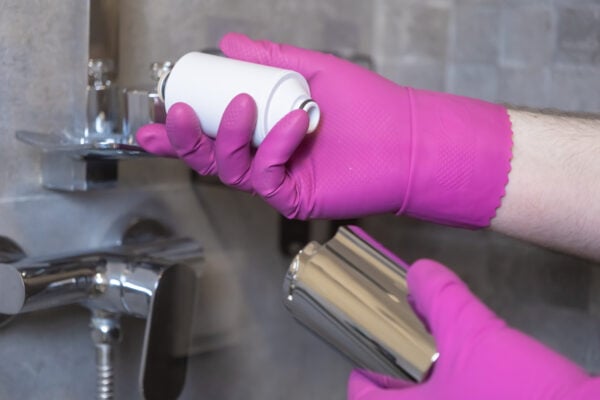
In many rental properties, tenants are responsible for managing minor hard water issues themselves. Some people install temporary shower filters because hard water can leave skin feeling dry and hair feeling brittle after constant exposure. Others use faucet filters in the kitchen or descaling solutions to clean coffee makers, kettles, and shower heads before mineral buildup becomes too heavy.
But in serious cases affecting the property itself, you need to report the issue and document it. Take photos if you notice heavy mineral buildup around fixtures, recurring plumbing issues, or damage to landlord-provided appliances.
Can You Ask for Repairs or Compensation?
Yes, tenants may be able to ask for repairs or compensation if hard water starts causing actual problems inside the rental property. For example, if mineral buildup damages plumbing fixtures, lowers water pressure, or affects landlord-provided appliances, landlords may be more likely to step in and address the issue. However, it ultimately depends on the severity of the issue, local laws, and lease terms.
In some situations, tenants may even ask for compensation if the problem keeps damaging appliances or creating repeated maintenance issues that were already reported before. For instance, if a tenant repeatedly reports severe mineral buildup affecting a landlord-provided dishwasher or water heater, but the issue keeps being ignored until the appliance eventually fails, that situation may lead to larger maintenance disputes or repair concerns. But hard water alone may not automatically qualify tenants for compensation, especially if the issue is mostly cosmetic.
That said, tenants should still document the problem properly with photos, repair requests, and records if the issue keeps getting worse.
Keep Small Maintenance Problems From Getting Worse
Some rental maintenance problems start small and slowly become larger over time. And hard water is a good example of that. What begins as cloudy dishes or white stains around the sink can eventually affect appliances, plumbing systems, and overall tenant satisfaction.
At Bay Property Management Group, we work to help tenants feel supported when maintenance concerns come up. We handle repair requests to coordinate property maintenance and communication. Our team works to keep rental homes functional and comfortable. If you are looking for a place to call home, check out our current listings and find one that fits your lifestyle.
