Tenant rights exist because renting a home is more than just a transaction; it’s your actual living space. For a long time, landlords held most of the power. They could raise rent without warning, evict people without cause, or ignore serious safety problems, and tenants had little legal backup. That is why we now have the Tenant Bill of Rights in Maryland.
Maryland recently has codified this law to outline key protections for anyone renting a place to live. We’ve broken it down in simple language so you know exactly what to expect and how to speak up if something doesn’t feel right.
Let’s walk through it.
Main Takeaways
 Access to Safe, Quality, and Affordable Housing
Your rights start with arguably the biggest right of all: your right to a home that feels safe, clean, and affordable. As Baltimore property managers, we make it a priority to ensure every tenant feels at home in our rentals.
The Tenant Bill of Rights in Maryland clearly states that every tenant has the right to a home that’s safe and livable. Meaning, landlords owe you working utilities like water, electricity, and proper sewage,. They are obligated to remove any major safety hazards from your home. Meaning, if your rental feels unsafe to live in, your landlord is legally obligated to address it. If they don’t, you can report the issue, file for rent escrow, or get help from the courts. You don’t have to resign yourself to living in unsafe conditions. The law is on your side.
Protection Against Discrimination
Fair housing is a right, not a privilege. A landlord cannot refuse to rent to you, treat you differently, or evict you because of your race, religion, gender, disability, family status, sexual orientation, or where you get your income. If this happens, you’re protected under both state and federal law.
The Right to Organize
The Maryland Tenant Bill of Rights protects your voice as a renter — you have every right to speak up. Whether you decide to join a tenants’ group or to file a complaint about your rental, your landlord can’t retaliate against you. For example, they can’t raise your rent unfairly, refuse to do repairs, or threaten to evict you because you spoke out. That’s illegal.
 Clear and Fair Leases
A lease is more than just paperwork; it protects you and your landlord alike. If your landlord owns five or more units, they’re required to give you a written lease. Furthermore, that lease should clearly explain who handles repairs, how utilities are paid, and the home’s condition.
Landlords cannot include unfair or sneaky clauses in your lease. For instance, they can’t say the landlord isn’t responsible for any repairs, even if something serious breaks. If a lease tries to shift all the responsibility to you or take away your basic rights, Maryland law likely doesn’t permit it.
Eviction Prevention
Evictions must go through a legal process — no one can just show up and kick you out. Even if you’re behind on rent, landlords must notify you at least 10 days before filing a case. Also, you could stop the eviction by paying what you owe unless you’ve had 3+ judgements of possession in the past year. And yes, you’re allowed to attend the court hearing. Last but not least, you may qualify for free legal support.
Right to Privacy
Your rental is your home, and you have a right to privacy. Starting October 1, 2025, landlords must give at least 24 hours’ written notice before entering your unit for repairs or inspections. They also can’t just drop in whenever they want — visits should happen between 7am and 7pm, Monday through Saturday, unless there’s an emergency.
 Landlord’s Responsibility for Maintaining the Property’s Habitability
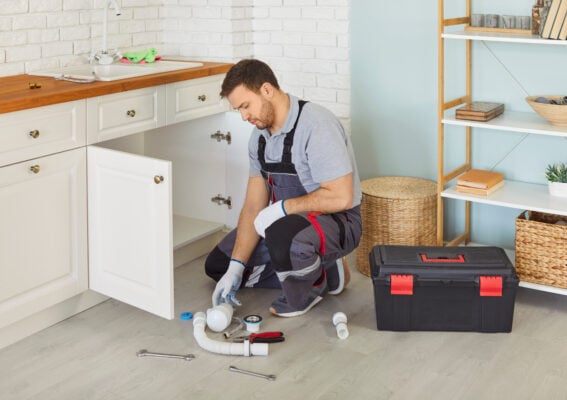
It’s your landlord’s job to keep the unit safe, clean, and up to code. If something breaks or puts your health at risk, they’re supposed to fix it within a reasonable time. And if they don’t, you don’t just have to sit with it. You can take legal steps, and in serious cases, you might even have the right to relocate somewhere temporarily.
Process for Addressing Disputes
If something goes wrong, you’re not stuck. You don’t have to figure it all out alone. You can take your issue to court, put your rent in escrow while the problem gets sorted, or talk to someone who understands the legal side of things. Maryland even has a free program that helps renters who are facing eviction, especially if money is tight.
You Deserve to Feel at Home
After reading through the Tenant Bill of Rights in Maryland, one thing should be clear — as a renter, you’re not alone, and you’re not powerless. The law is there to protect you, and so are we.
At Bay Property Management Group, we go beyond just handing over the keys. We help tenants understand their leases, stay on top of maintenance, and feel supported throughout the entire process. Our job is to make sure your home feels safe, cared for, and truly yours.
Look at our listings today and let’s help you feel at home, for real.
