
Recently, Josh Shapiro criticized rising utility profits during his annual budget address. He said that utility companies have “increased the cost for consumers with too little public accountability or transparency.”
He said this when Philadelphia also experienced a very hot summer and a cold winter, which caused many households to use more electricity than usual. And for many PECO customers, the impact began to appear on their monthly bills. This raised curiosity about PECO electricity rates in Philadelphia.
As most residents know, the rates have been high in the last few years. Let’s talk about what is happening in more detail and see what it could mean for you as a Philadelphia renter or property owner.
Main Takeaways
- PECO electricity rates in Philadelphia have slowly increased over the last few years, making monthly bills feel heavier for many residents.
- Higher electricity demand, rising capacity costs, and power grid upgrades are some of the reasons behind the recent increases.
- Renters and property owners may need to pay closer attention to utility costs and lease terms moving forward.
What Are PECO Electricity Rates in Philadelphia?
 PECO electricity rates are simply the amount you pay for electricity in Philadelphia and other parts of southeastern Pennsylvania. And from our experience in property management in Philadelphia, this is something many renters and property owners talk about. Their electricity use may feel almost the same, but somehow the monthly bill keeps looking different.
To understand why, it is best to look at how PECO rates have changed over time
Period |
PECO “Price to Compare” (Supply Rate) |
| December 2023 | Around 8.9¢ per kWh |
| Mid-2024 | Around 9.2–9.4¢ per kWh |
| Early 2025 | Around 9.2–10.4¢ per kWh |
| Early 2026 | Around 11¢ per kWh |
The numbers may not look dramatic. After all, moving from around 9 cents to 11 cents may not sound like a huge jump. But electricity bills rarely depend on one number alone.
For example, if a household uses 1,000 kilowatt-hours (kWh) in a month, the supply portion alone could increase by roughly $20 compared to earlier rates. This is what that looks like…
- Earlier rate: around 9¢ per kWh
- Current rate: around 11¢ per kWh
- Difference: around 2¢ per kWh
But when you do math:
1,000 kWh × $0.02 = $20
Then add distribution charges, transmission costs, taxes, and seasonal usage changes, and the total bill can feel much higher than expected.
That is why many Philadelphia residents feel like electricity costs have become heavier over the last couple of years. So, why are these costs changing? Let’s take a look.
Why Are PECO Electricity Rates Rising in Philadelphia?
So now the bigger question becomes: what is actually causing all of this? Is it because people are using more electricity?
A few things have been pushing electricity costs upward in Philadelphia:
1. Higher demand for electricity
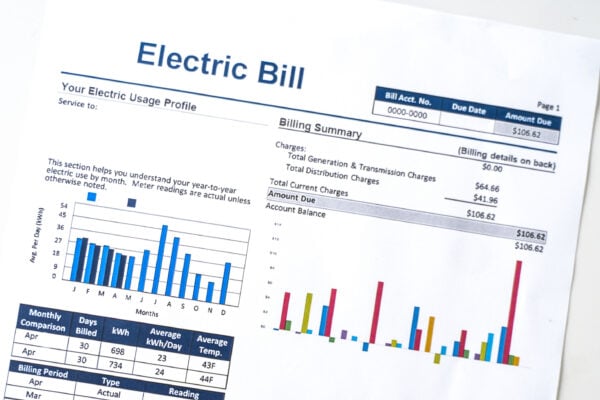 Today, homes and businesses use more electricity. And that does not necessarily mean that households suddenly started using more electricity, no. We mean the diversity of electricity use has increased across many households and businesses.
If you look more closely, electricity usage has increased. For instance, electric vehicles, larger data centers, smart home technology, and growing energy needs all put more pressure on the power grid. And when demand increases, costs can rise too.
2. Rising capacity costs
Capacity costs are extra costs paid to ensure there is enough electricity available when many people need it at the same time. This is more common during very hot summers or very cold winters.
Think of it this way- Electricity companies have to prepare for busy periods before they happen. Even if all that extra electricity is not used in the end, they still pay to keep it available.
And unfortunately, some of those extra costs can eventually show up in your electricity bill.
3. Power grid upgrades and maintenance
According to PECO, some of these rising infrastructure costs are due to the company’s plans to invest about $10 billion to better meet growing demand and severe weather over the next five years. According to PECO, those investments are meant to improve reliability and help the power system handle severe weather and growing electricity demand.
In a recent statement, the company said these investments have helped keep PECO “among the best in the nation” for service reliability and that “a resilient, well-funded grid is essential when customers need it most.”
4. Supply costs have changed over time
As we said at the beginning, PECO’s “Price to Compare” has also increased over the last couple of years. If you look at residential supply in 2024, rates were around 8.9¢ per kWh in early 2024, then moved to around 11¢ per kWh by late 2025 and into 2026.
When all these factors stack on top of each other, even people who have not changed their daily habits can still feel the impact on their monthly bills.
How Higher PECO Electricity Rates Affect Philadelphia Renters
Let’s now look at how PECO electricity rates are affecting renters here. That way, you can better prepare for changing utility expenses.
Situation |
What It Can Mean for Renters |
| Higher monthly utility bills | You may notice more money going toward electricity, especially during hot summers and cold winters. |
| Tighter monthly budgets | Higher utility costs can leave less room for groceries, transportation, savings, or other expenses. |
| Increased total housing costs | Even if rent stays the same, your overall cost of living in the rental can still increase. |
| More attention to energy use | Many renters start paying closer attention to heating, air conditioning, lighting, and appliances. |
| Extra questions before renting | Renters may begin asking whether a property has energy-efficient appliances, insulation, or utility cost estimates before signing a lease. |
Are Landlords Responsible for Rising Electricity Costs?
If you are renting, this is a good reminder to check the utility section of your lease before signing. A lower monthly rent may look attractive at first, but changing utility costs can still affect how much you spend every month.
Now, who handles the electricity bill usually depends on what the lease says.
For example, if you pay utilities separately, then you are usually responsible for handling PECO bills directly. But if utilities are included in the rent, then the landlord is usually the one covering those costs.
And in some multi-unit properties with shared utilities, the arrangement may be different. That is why it is always important to understand exactly what your lease says before moving in.
How Renters Can Manage Higher Electricity Bills
If you are solely responsible for paying your utility bills, then you need to navigate the rising rates. Start by paying attention to things that quietly increase electricity use in your home. Heating and air conditioning, lights left on for long periods, older appliances, and even devices left plugged in can add up over time. You do not have to make major lifestyle changes. Just small habits can sometimes help keep your monthly bill from climbing higher than expected.
What Philadelphia Renters Should Expect Moving Forward
 After this discussion, you may be wondering what all this means from now on. For many renters, electricity bills may continue feeling unpredictable for some time, especially during very hot summers or cold winters when energy use usually increases.
That is why more renters are starting to pay closer attention to utilities before choosing a place to live. Because even when the rent itself looks manageable, the total monthly cost can feel very different once electricity bills start coming in.
And for many people in Philadelphia, that is now part of the rental conversation.
Make Smarter Rental Decisions in Philadelphia
As you can see, even small changes in electricity costs can have a big impact overall. And generally, electricity costs are a major factor in how renters evaluate housing affordability in Philadelphia.
So, as a landlord, you need to figure out how to make your rental stand out when it comes to the overall cost of living. On the other hand, as a tenant, you need to pay attention to the lease agreement so you understand the utility bills, lease terms, and whether the property is energy efficient. That way, it becomes easier to manage your monthly spending.
That said, sometimes you just need professionals to help you navigate your rental decisions.
At Bay Property Management Group, we work with both renters and property owners throughout Philadelphia every day. We help renters find homes that match their budget and housing needs. And for landlords, we help manage properties, find tenants, and facilitate strong lease agreements.
So, if you are looking for a rental home or professional property management support in Philadelphia, contact us today, and let’s help you make a more informed decision before signing the lease.
