Imagine dealing with water damage in your apartment for two months straight. A damp carpet never seems to dry. A closet has holes left behind from repairs. Tiles get pulled up to fix a leak. It doesn’t take long before the situation feels overwhelming. Beyond the inconvenience, water damage threatens your health, safety, and the overall condition of your rental home. That’s why so many tenants often ask, “How long does a landlord have to fix water damage?”
The answer isn’t always simple. It depends on how severe the damage is. It also depends on what state or local housing laws require, and how quickly repairs can reasonably take place. In this guide, we’ll cover typical timelines, explain what the law says, and show the steps tenants can take to protect their rights if repairs face delays. Read below to learn more!
Main Takeaways
How Long Does a Landlord Have to Fix Water Damage?
As property management companies in Northern Virginia, we handle all types of maintenance requests to ensure homes remain safe and habitable. So, we can answer the main question: how long does a landlord have to fix water damage? Based on our experience in property management, there is no single universal timeline. In many places, landlords are expected to address non-urgent repairs within 14 to 30 days. However, when the damage threatens a tenant’s health or safety, repairs usually must begin immediately, often within 24–48 hours. You should always check your location’s regulations to see which timeframes your landlord must follow.
In our work managing rentals, we can tell you that addressing water damage promptly reduces the risk to both the property and the people living in it. The bottom line is that landlords should act as soon as possible, and tenants have the right to expect timely repairs when water damage affects habitability.
What Is Water Damage in a Rental Property?
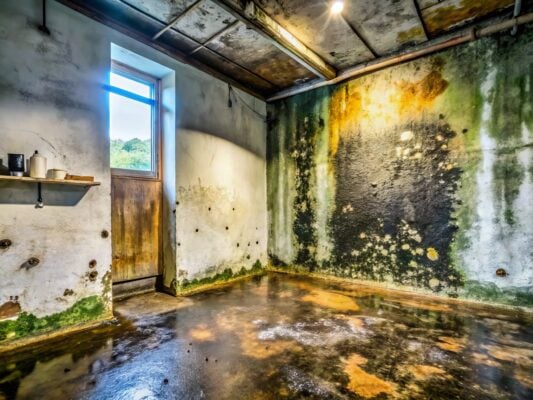
In rental properties, water damage generally refers to any harm caused by excess water or moisture that impacts a home’s structure, safety, or livability. For instance, this might include problems like leaking roofs, burst pipes, faulty appliances, or poor drainage that leads to flooding. Water damage can range from minor leaks that stain ceilings to major issues like flooding, mold growth, or structural damage.
 What Do Laws for Water Damage Repairs Look Like?
 What Do Laws for Water Damage Repairs Look Like?
In general, landlords are legally obligated to maintain rental homes in a safe and habitable condition. Lease agreements, state habitability requirements, and local building codes lay out this responsibility. When water damage occurs, those rules apply.
- Lease Agreement: Typically, leases clearly outline who is responsible for maintenance and repairs. While tenants may handle minor upkeep, landlords are generally responsible for addressing issues that affect the overall livability of the home–including severe water damage.
- Habitability Requirements: We can definitively say that most areas’ laws require every rental home to remain safe and livable. So, if water damage makes your home unsafe or unsanitary (like mold or rotting wood) the landlord must repair it. Damaged plumbing also usually falls under this requirement, too. Either way, they must make these repairs within a reasonable timeframe.
- Building Codes: Local building codes often set the standard for repairs, and again, these usually require that landlords address conditions that affect a tenant’s health or safety. To boot, if water damage impacts the home’s electrical systems, plumbing, or the structure, the repairs must also comply with the International Building Code (IBC) standards that many cities have adopted.
What If the Landlord Ignores the Damage?
If a landlord ignores water damage, tenants don’t have to simply wait it out. We’ve found that in many locations, the law gives renters the right to send a formal repair request. If the landlord doesn’t address the problem within a reasonable time, the tenant can take further steps. This may include reporting the issue to local housing or code enforcement. Then, in certain cases in some places—like when the damage affects health or safety and the landlord has already received proper written notice—tenants may also arrange for repairs themselves and deduct the cost from rent, as long as it falls within the limits set by their respective laws.
If the water damage makes the home unsafe or unlivable, tenants may even have grounds to end the lease or pursue legal action. The key is for them to keep detailed records—photos, videos, and written communication—which can serve as proof if the situation escalates.
Can You Withhold Rent for Unfixed Water Damage?
Countless tenants have asked us this, and unfortunately, in many states, tenants generally cannot stop paying rent on their own, even if repairs are delayed. If a tenant withholds the rent without following the proper legal process for doing so, they may be put at risk for eviction.
That said, some laws do give renters certain options when a landlord fails to act. After the tenant gives proper written notice, they may be able to use the “repair and deduct” remedy, like we said. With this, they pay for qualified repairs themselves and subtract the cost from rent—within legal limits, of course. In more serious cases, if the home becomes unsafe or uninhabitable, tenants may also have grounds to end the lease or take legal action.
Overall, the safest approach is to always keep paying rent while following your local property code’s outlined steps. Also, we recommend you get legal advice on how to proceed.
Who Pays for Water Damage Repairs?
In most cases, the landlord pays for water damage repairs, especially when the cause ties to the property’s structure or essential systems—like plumbing, roofing, or faulty appliances that come with the rental. Again, most areas’ laws require landlords to cover repairs that affect health and safety or make the home unlivable.
That said, tenants should always check their lease agreement, since it often outlines who handles what. If a tenant causes the damage through their negligence—like leaving a faucet running or failing to report a leak quickly—they may have to cover the tab. In short, the landlord pays for structural or maintenance issues, and the tenant covers costs if their actions cause the damage.
What to Do When You Notice Water Damage
 What to Do When You Notice Water Damage
First, document the situation thoroughly. Take photos and videos of the affected areas right away. These records can help you if the problem worsens or you need proof it happened later.
Next, notify your landlord in writing as soon as possible. Make a quick call in emergencies, of course, but always follow it up with a written request—email, text, or certified letter—to show exactly when you reported the issue.
While you wait for repairs, take reasonable steps to prevent further damage. Move furniture away from the wet area, use towels or buckets to contain leaks, and run fans to reduce your home’s moisture. However, avoid making major repairs yourself without permission unless your lease specifically allows for it. If you try DIY repairs, you may accidentally violate your lease.
Finally, track all of your communication and updates on the situation. Save copies of your email correspondences, repair requests, and responses from your landlord. If the landlord hasn’t fixed the problem within a reasonable time, these records will become essential. If you escalate the matter through code enforcement, legal advice, or tenant remedies available with your location’s laws, you’ll likely need them.
When to Report Water Damage to Your City
Report water damage to your local housing authority or code enforcement office if your landlord doesn’t respond to repair requests or the damage makes your home unsafe. And don’t wait months. If water damage poses a health or safety risk, such as toxic mold growth, electrical hazards, or structural instability, report it right away. Local inspectors can charge the landlord with violations and require them to make repairs. They may even fine the landlord for failing to maintain the property’s habitability.
Want 24/7 Property Services? Call BMG Today!
To fully understand how long a landlord has to fix water damage, remember that every landlord must keep homes habitable, and tenants have clear rights when those standards are ignored. Acting quickly—through documentation, repair requests, and, if necessary, reporting—protects both the property and the people living in it.
At Bay Property Management Group, we work 24/7 to ensure tenants never feel endlessly stuck in these situations. Our team responds promptly to repair requests, helps tenants understand their lease responsibilities, and maintains every property to high standards. We also offer a wide selection of well-maintained rental homes so you can find the perfect fit. Look at our listings today to get the customer service you deserve!
