
Tenant abandoned property happens when a renter moves out without notice and stops fulfilling their lease obligations. They leave behind unanswered questions and sometimes even personal belongings.
But once you suspect abandonment, it’s not just about taking back the unit. There are legal steps, timelines, and responsibilities you need to follow before you can decide what to do.
So, what happens when a tenant abandons a rental property? Let’s find out together and see what you should do next as a landlord.
Main Takeaways
- Tenant abandonment is not always obvious at first—it becomes clear through patterns such as missed rent payments, lack of communication, and a unit that appears vacant.
- Before taking action, you need to confirm abandonment and follow the proper legal steps, including giving notice and allowing time for a response.
- Handling belongings and securing the property should be done carefully, because rushing the process can lead to legal trouble and added costs.
What Is Tenant Abandonment in a Rental Property?
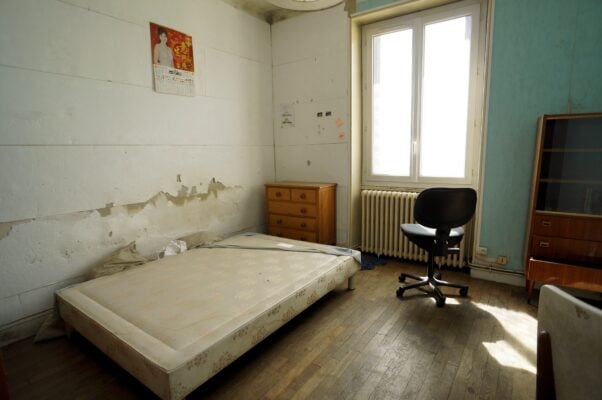 When we talk about tenant abandonment in rental property, we mean the renter leaves the property without notice and stops meeting their lease responsibilities. And as we mentioned, that means unpaid rent, utilities left hanging, or disappearing without any communication at all.
Sometimes it’s not obvious right away. From our experience in property management in Philadelphia, you might walk into the unit and notice a few things feel off. Maybe the place is half empty. Maybe the rent hasn’t come in for a while, and you have tried calling, texting, emailing your tenant, and nothing but silence.
That’s usually where the confusion starts: “Has the tenant actually left, or are they just… away?”
But honestly, you cannot rely on a single sign to know that they have left. A tenant might still have a few belongings inside. Or they might plan to come back. And if you move too quickly, like changing locks or removing items, you could end up crossing a legal line without meaning to.
Let’s look at some of the signs to consider before treating the rental property as abandoned.
Signs a Tenant May Have Abandoned the Rental Unit
So, in many cases, abandonment is not just about what you see at first glance. It starts to become clearer through a pattern of things that do not add up.
- Rent has stopped coming in
- The unit looks vacated or partially cleared out
- There’s been no response to multiple attempts to reach the tenant
- Utilities may be shut off or disconnected
When those things start to line up, it becomes more reasonable to treat the situation as abandoned property. And even then, you don’t jump straight into action. You pause, confirm, and follow the right process, because how you handle that moment matters just as much as the situation itself.
What Landlords Should Do If a Tenant Abandons the Property
Once you suspect a tenant has abandoned your property, and you have seen the signs we have mentioned, it’s important to resist the urge to act too quickly.
 Even if the unit looks empty, the lease may still be legally active. As we mentioned, acting without proper confirmation, such as changing locks or removing belongings, can expose you to legal risk. So the first step is not action but verification.
So, you start by trying to reach the tenant through every available channel. You can call, text, email, and, if possible, send a written notice to their last known address. In many jurisdictions, including Philadelphia, landlords are expected to make reasonable efforts to confirm whether the tenant has truly moved out.
As you try reaching out, also be on the lookout for supporting signs. Has rent stopped coming in? Are utilities disconnected? Does the property appear fully vacated? Details like these help you build a clearer picture, but they still do not replace proper notice.
Once you have reasonable grounds to believe the tenant has abandoned the unit, the next step is to follow Pennsylvania law. In Philadelphia, this may include steps such as:
- Sending a written notice to the tenant stating that the property is believed to be abandoned
- Giving the tenant time to respond or retrieve their belongings, as required under Pennsylvania law or the lease agreement.
- Documenting the condition of the property and any items left behind
Only after completing these steps can you safely move forward, whether that means securing the property, cleaning it out, or preparing it for a new tenant. However, keep in mind that in some cases, landlords may still need to pursue a formal eviction process to regain legal possession of the unit.
And if there’s any uncertainty, it’s always safer to consult a local attorney or property management professional. And from our experience, in property management, a short delay is far less costly than a legal dispute.
How to Handle Personal Belongings Left Behind
After taking the necessary precautions and reasonably confirming that the property has been abandoned, the next question is what to do with anything the tenant left behind.
It might be tempting to clear everything out and move on. But in Pennsylvania, that’s not something you can rush. In most cases, you’re required to give the tenant a chance to reclaim their belongings before you dispose of them.
In many cases, you may be required to store a tenant’s belongings for a reasonable amount of time, depending on local laws and your lease agreement. And if there’s no response after the required notice period, you may then move forward with disposing of the items in accordance with local laws.
Disposing of personal belongings could mean discarding them, donating them, or handling them in a way that complies with local guidelines. And while doing so, it’s also a good idea to document everything along the way.
So, take photos of what was left behind, keep copies of notices you sent, and note any timelines. If questions come up later, that record can protect you.
And if anything about the situation feels unclear, it’s always safer to double-check with a local professional. When it comes to tenant belongings, taking a careful approach can save you from unnecessary legal trouble.
How Property Managers Handle Tenant Abandonment Situations
When a tenant disappears, experienced property managers like BMG don’t treat it as a one-step situation. It’s handled carefully, in stages, because one wrong move can create legal and financial problems.
So basically, this is how it’s handled professionally:
They Start by Documenting Everything
Instead of rushing to clear out the unit, they start with documentation. That means taking photos of the property as it was found, noting the condition, and keeping records of missed payments and communication attempts. This creates a timeline that can support any decisions made later.
They Make Consistent Efforts to Reach the Tenant
They call, email, and send written notices, and everything is tracked during the process. Not just to check if the tenant is coming back, but to show that reasonable steps were taken before assuming abandonment.
They Follow the Required Notice Process
Once there’s enough evidence pointing toward abandonment, then they take the appropriate steps to regain possession of the property. In places like Philadelphia, that means giving the tenant time to respond before entering, removing items, or preparing the unit for a new renter.
They Handle Belongings Professionally 
Rather than treating items as “leftovers,” they treat them as someone else’s property under legal protection. Items are documented, stored when required, and only disposed of after the proper waiting period has passed.
Securing and Repositioning the Property
After the legal steps are complete, they secure the property, inspect for damage, and prepare it for the market again. That may include repairs, cleaning, and relisting as quickly as possible to reduce vacancy loss.
That said, throughout all of this, the approach stays the same: slow enough to stay compliant, but steady enough to keep things moving. That balance helps property owners handle tenant abandonment without making it a bigger problem than it already is.
Handle Tenant Abandonment the Right Way From Start to Finish
As you can see, dealing with tenant abandonment is not just about getting your unit back. It’s more about handling the situation the right way from start to finish. From confirming abandonment to following notice requirements and dealing with belongings, every step matters.
And while it may feel like a setback, how you respond can make all the difference in protecting your property and avoiding unnecessary legal issues. If you’ve ever found yourself in a situation like this, or you want to avoid it altogether, consider working with the right team, which can make things a lot easier.
At Bay Property Management Group, we help landlords handle everything. That is from tenant communication and compliance to securing the property and getting it ready for the next renter. These are the exact areas that matter most in situations like this. So instead of trying to figure it all out on your own, you have a process in place that keeps your investment protected and your rental running smoothly.
Contact us today, and let’s help you handle situations like this with clarity and confidence.
