
Although it’s not very common, some tenants might take it upon themselves to change the locks without notifying you. In most cases, they have their own reasons, ones you may or may not agree with. So, what happens when a tenant changes the locks without permission?
Honestly, it can be frustrating, and more importantly, it raises a lot of questions. Can they actually do that? What are your rights as a landlord? And what should you do next?
If you ever find yourself in this situation, it’s important to understand what it means for your lease. From there, you also need to think about how you can access the property without breaching the tenant’s rights. That said, let’s get into more detail.
Main Takeaways
- Tenants are generally not allowed to change locks without permission, especially if it interferes with the landlord’s legal right to access the property.
- There may be valid reasons, such as safety concerns, but tenants are still expected to inform you and grant access.
- Handle it calmly and by the book, communicate in writing, document everything, and address it early before it escalates.
Can a Tenant Legally Change the Locks on a Rental Property?
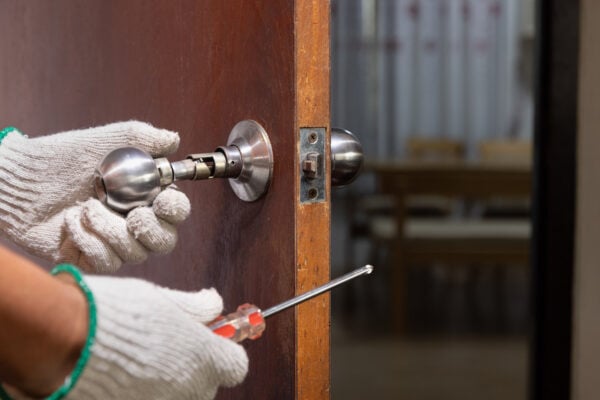 So, can a tenant just wake up one day and decide to change the locks? In most cases, no, they can’t do that without your permission. If you asked experienced Baltimore property managers, they would tell you that when a tenant signs a lease, they’re not just paying rent; they’re also agreeing to certain rules about how the property is handled.
One of those rules usually covers access. As a landlord, you still have the right to enter the property for things like inspections, repairs, or emergencies, as long as you follow state and local notice requirements before entering the unit.
Now, if a tenant changes the locks and doesn’t give you a key, that right is suddenly blocked. And that’s where the problem begins.
Still, situations are not always black and white. There are times when a tenant might feel justified, and in some cases, the law may even support them.
Situations Where Tenants May Be Allowed to Change Locks
There are moments when a tenant changing the locks isn’t about control but about safety. For example, if there’s been a break-in or if the tenant feels genuinely unsafe in the unit, changing the locks might be seen as a reasonable step. With that, in some states, tenants experiencing domestic violence may have the legal right to change locks without prior permission, as long as they follow specific legal procedures.
But, even in these situations, tenants are still expected to communicate with you. Changing the locks and keeping you completely locked out is where it crosses the line.
What Landlords Should Do If a Tenant Changes the Locks
Let’s say you show up for a routine inspection… and your key doesn’t work. Here is how to handle it: 
- Reach out to the tenant first- Sometimes there’s a reason behind it, and you want to understand that before jumping into action.
- Put everything in writing- If it turns out they changed the locks without telling you, the next step is to let them know this goes against the lease. Ask them to either restore the original locks or provide you with a key.
- Document everything- If the issue continues, you’ll want a clear record showing that you addressed it properly.
And just to say it, this is not the moment to force entry or escalate emotionally. Just stay calm and follow the right procedure. That way, you protect yourself from the risks that come with forcing your way in.
When Changing the Locks Becomes a Lease Violation
At some point, this stops being a misunderstanding and becomes a lease issue. If your lease clearly states that tenants cannot change locks without permission (and most do), then doing so is a violation. Especially if they’re preventing you from lawful access to your own property.
And it’s not just about access but about control of the property. So if the tenant ignores your notices or keeps repeating the behavior, it can escalate. In some cases, repeated violations like this can even lead to further legal action. That’s why it’s important to address it early, clearly, and consistently.
How Property Managers Prevent Lease Violations
 Although a tenant changing locks could be from urgency, situations like this are often preventable. Good property management doesn’t start when something goes wrong. It starts at the beginning.
That means setting expectations early. Explaining access rights before the lease is signed and making it clear that inspections will happen and why they matter. And mostly this happens in writing in a lease agreement.
At Bay Property Management Group, we’ve seen how small misunderstandings can turn into bigger issues when expectations aren’t clear. That’s why we focus on keeping communication open from day one, so both landlords and tenants know where they stand.
Because in the end, most of these situations aren’t about conflict, they’re about clarity. Feel free to review our property management services and see how we can help with decision-making like this.
