When your lease is about to end, and you’re thinking of staying, you might come across a few new terms that you didn’t expect. One of them is a lease renewal fee.
When you think about it, it may seem a bit unexpected, right? After all, you’re not moving out or signing a completely new lease. So why is there a fee involved? And more importantly, is it something you’re actually required to pay? However, there is a reason why it exists in the first place.
If you’re renting in Washington, DC, or anywhere really, let’s walk through it in more detail. That way, you know how this works before it shows up on your lease.
Main Takeaways
- A lease renewal fee is a one-time charge some landlords or property managers add when you choose to stay and extend your lease.
- The cost can vary (often around $100–$500), and not every landlord charges it—always check your lease to be sure.
- In DC, it’s generally allowed if it’s clearly written in your lease, so nothing should feel hidden or unexpected.
What Is a Lease Renewal Fee in Rental Properties?
A lease renewal fee is a one-time charge that may come up when you decide to stay in your rental after your current lease ends.
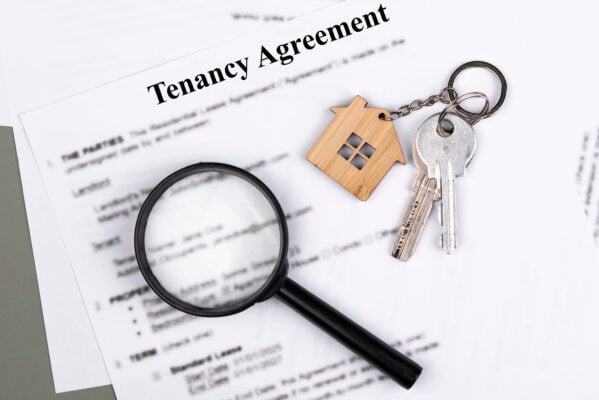 A lease renewal fee is a one-time charge that may come up when you decide to stay in your rental after your current lease ends.
 From our experience as Washington, D.C., property managers, this means that instead of moving out, you and your landlord agree to extend the lease for another term.
On paper, it might look simple since you’re staying, and nothing is changing that much. But behind the scenes, there’s still some work involved. That is, the lease may need to be updated, terms reviewed, and even paperwork processed again. That’s typically why lease renewal fees exist.
So if you’re seeing it for the first time, don’t be alarmed. It’s one of those rental costs that doesn’t always get talked about up front.
Why Some Landlords Charge a Lease Renewal Fee
Let’s look at why some landlords charge this fee in the first place.
Even when you’re staying, renewing a lease isn’t always just a quick signature. The lease may need to be updated, especially if the rent is changing or certain terms are being adjusted.
There’s also some behind-the-scenes work. That is, preparing paperwork, updating records, and sometimes going through internal approvals.
For property management companies, the process can be even more structured. They often have systems, staff, or legal checks involved, which is why a renewal fee may be built into how they operate.
That said, not every landlord charges a renewal fee. Some would rather keep a good tenant without adding extra costs, especially when you consider how much time and money go into finding someone new.
So if you come across a lease renewal fee, it’s usually not for just one reason. It often comes down to how the property is managed, how the lease is set up, and the landlord’s overall approach to renewals.
How Much Does a Lease Renewal Fee Typically Cost
 Lease renewal fees don’t have a fixed price. That’s why you’ll see them vary quite a bit depending on the type of property, landlord, or the company managing the rental.
While there’s no standard amount, the fee can fall anywhere between $100 and $500. Some landlords keep it on the lower end, especially if the renewal process is simple. Others, particularly larger property management companies, may charge more because they follow a more structured process.
You might also come across situations where there’s no fee at all. Some landlords would rather keep a reliable tenant without adding extra costs, especially when you consider how expensive it can be to find and screen someone new.
That said, the most important place to check is your lease agreement. If a renewal fee applies, it’s usually written there. And if it’s not clearly mentioned, it’s always worth asking before you sign anything.
Is a Lease Renewal Fee Legal?
In Washington, DC, there isn’t a rule that specifically bans lease renewal fees. However, fees must be clearly disclosed in the lease and comply with local consumer protection laws.
Now, assuming the fee is written into your lease, then it’s legally considered part of the terms you agreed to when you first signed. However, if it shows up later without being mentioned anywhere, that’s something you have every right to question.
DC also has strong tenant protection laws, which focus on transparency and fairness. So landlords are expected to be upfront about any fees tied to your tenancy, including renewal-related costs.
Another thing to keep in mind is how the fee is presented. It shouldn’t be hidden, vague, or added in a way that feels unclear. So, if you’re unsure about it, asking for a breakdown or clarification is completely reasonable.
How Property Management Companies Handle Lease Renewals
 As we have mentioned, when a property is managed by a company instead of an individual landlord, lease renewals tend to follow a more structured process.
Normally, they will contact you before your lease ends. Usually, they reach out a few weeks or even a couple of months in advance. This gives you time to decide whether you want to stay, move out, or explore other options.
From there, the property manager will often review the lease terms. That might include adjusting the rent based on the current market or updating certain conditions in the agreement. Once everything is set, they’ll send you a renewal offer to go through and sign.
This is also where you will see a lease renewal fee added. For many property management companies, it’s part of their standard process for updating documents, handling communication, and keeping records in order.
But not every company handles it the same way. Some include renewal costs in their overall management structure, so tenants never see a separate fee. Others list it clearly as a one-time charge during renewal.
Either way, the experience tends to be more predictable. You’re less likely to deal with last-minute changes, and everything is usually documented clearly.
Need Help Handling Lease Renewals Without Confusion?
At the end of the day, a lease renewal fee isn’t automatically a red flag, and it shouldn’t come as a surprise. As you can see, they really help set things up again after a lease term ends. As a landlord, it’s important to be as transparent and clear as possible about any rental fees.
If you’re ever unsure about how it works, consider working with people who understand the process. That way, you’re not making decisions based on guesswork.
At Bay Property Management Group, we keep lease terms clear from the start and guide both tenants and landlords through the renewal process with clarity. And if you’re not sure how to structure a lease, we’re here to help. Contact us today!
