
You can’t evaluate a rental property based on today’s rent alone. That only tells you where things stand right now. Sometimes you need to look at what the property could earn in the future. One of those ways is through a pro forma rent. But what is pro forma rent, and what does it look like?
Pro forma rent is the projected rental income a property is expected to generate. In other words, it estimates what the property could earn once upgrades are made, rents are adjusted, or management improves. And in many cases, it’s the number investors use to decide whether a deal makes sense.
Let’s break it down in detail.
Main Takeaway
- Pro forma rent is a projection of future rental income based on market rates, improvements, and realistic assumptions—not current rent alone.
- It directly affects property value, cash flow, and financing decisions. That is why investors must calculate and verify it carefully.
- The key to using pro forma rent wisely is staying realistic, conservative, and data-driven so the deal works in real life, not just on paper
What Is Pro Forma Rent in Real Estate?
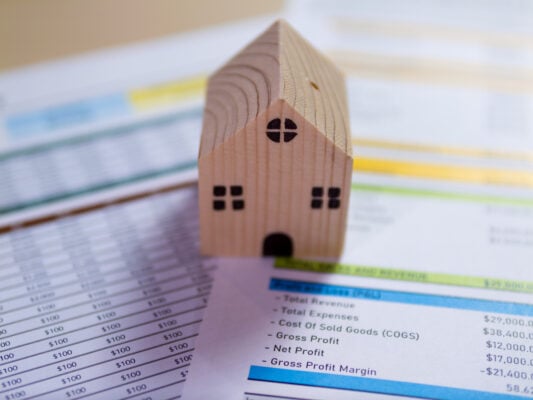 A real estate pro forma is simply a financial projection. It shows how much money a property is expected to bring in and how much it’s likely to cost you over a specific period of time. Most professionals in property management in Baltimore see it as a forward-looking cash flow plan.
Investors rarely analyze just one property. You would want to review several listings, narrow them down, and then run projections on the strongest options. That projection is what we call a pro forma. It becomes a key part of your due diligence because this is where you test whether the deal actually makes sense.
Instead of guessing, you put the numbers on paper. You estimate:
-
- Rental income
- Operating expenses
- Vacancy
- Financing costs
- And even what the property could sell for years later
Most investors build this in a spreadsheet so they can adjust assumptions and instantly see how the returns change.
And that’s what makes a pro forma powerful. It helps you see whether that income stream looks solid, realistic, or stretched too thin before you commit your money.
Why Pro Forma Rent Matters to Real Estate Investors
So why do you need it in the first place? Because it allows you to look beyond the current lease agreements and ask a bigger question: What could this property earn under the right conditions?
Let’s get into detail:
It Helps You See the Real Value of a Deal
If current rents sit below market, the property may simply be underperforming. That doesn’t always mean it’s a bad deal. It may just need adjustment. Pro forma rent shows you what income could look like after those adjustments. And that directly affects how much you’re willing to pay.
It Shapes Your Cash Flow Projections
Your projected rent becomes the starting line. From there, you subtract expenses and then loan payments. What’s left is your expected profit. However, if your rent estimate runs too high, the profit on paper looks better than reality. Once actual rent comes in lower, your returns shift. Even a small gap in rent can change the entire financial picture. Numbers are sensitive like that.
It Influences Financing Decisions
Lenders don’t just look at current income. They look at projected performance, too. Now, a realistic pro forma supports your case. It shows that the property has room to operate at full capacity, and not just where it stands today. That credibility matters during underwriting.
It Helps You Plan Improvements Strategically
Maybe you’re planning light renovations. Or maybe you want to raise rents gradually. So, instead of guessing, you project those changes in advance. You test them on paper first. Pro forma rent lets you see how those decisions could affect income before you commit real money. And that kind of foresight? It reduces risk.
How to Calculate Pro Forma Rent
 Imagine you’re analyzing a three-unit property. Each unit currently rents for $1,100 per month. But similar properties in the same neighborhood rent for $1,300 after minor updates.
You plan to repaint, upgrade fixtures, and improve management.
Here’s how you would calculate pro forma rent:
Step 1: Check market comparables (comps).
You confirm that similar renovated units rent for $1,300. That becomes your projected monthly rent per unit.
Step 2: Multiply by the number of units.
$1,300 × 3 units = $3,900 per month in projected rental income.
Step 3: Adjust for vacancy.
If you assume a 5% vacancy rate, you reduce the total slightly to stay realistic.
5% of $3,900 = $195
$3,900 − $195 = $3,705 adjusted projected monthly income.
That $3,705 is closer to your realistic pro forma rental income.
Notice what we did here. We didn’t just take the highest rent in the neighborhood and assume perfection. We looked at the market, multiplied carefully, and adjusted for vacancy. That’s how you keep your pro forma grounded.
Common Pitfalls With Pro Forma Rent
Pro forma rent can be powerful. The problem arises when you overestimate figures or miss key numbers. That said, let’s look at some common pitfalls and how you can avoid them:
Using Unrealistic Market Comparisons
It’s tempting to grab the highest rent in the neighborhood and plug it into your numbers. On paper, it looks great. But is that unit newly renovated? On a better street? Offering upgraded amenities that your property doesn’t have?
If so, the comparison isn’t fair. When building a pro forma, compare properties that are truly similar to yours. And that means the same size, similar condition, and comparable location. Otherwise, your projection starts drifting away from reality.
Ignoring Vacancy Rates
Even strong rental markets experience vacancy. No property stays 100% occupied forever. If your projection assumes full occupancy all year, your numbers may look stronger than they actually are. Add a small vacancy adjustment, even just a few percentage points (5%), as we did in calculations. That way, you make your projections more realistic.
Forgetting That Operating Costs May Rise
Higher rent usually comes with higher expectations. If you improve a property, tenants will expect better maintenance, faster responses, and even updated features. Sometimes more management involvement. That often means higher operating costs.
Treating Pro Forma Rent as Guaranteed Income
Treating it as guaranteed income is the biggest mistake. Pro forma rent is a projection, as we already mentioned. It shows potential, not certainty, because markets shift, demand changes, and conditions evolve over time.
So, as a smart investor, treat your pro forma numbers as estimates that require testing and verification rather than promises.
How to Verify Pro Forma Rent as an Investor
Pro forma rent should never be accepted at face value. Before relying on projected numbers, take time to confirm that the assumptions are realistic.
Here’s a simple way to verify it:
What to Check |
Why It Matters |
What You’re Looking For |
| Market Comparables | Confirms whether projected rent matches the local market | Recently rented properties similar in size, condition, and location |
| Current Leases | Shows how quickly rents can realistically increase | Rent amounts, lease terms, renewal timelines |
| Vacancy Rates | Prevents overly optimistic income projections | Average vacancy trends in the neighborhood |
| Renovation Plans | Ensures rent increases are justified | Clear budget, timeline, and expected rent bump |
| Conservative Scenario | Tests how the deal performs under less-than-perfect conditions | Slightly lower rent projections and realistic expense assumptions |
This approach helps you move from assumption to confirmation. When the numbers hold up under review, you gain confidence in your investment decision.
Pro Tips to Use Pro Forma Rent Wisely
 Pro forma rent is powerful only when it’s realistic. If you overestimate market rents or underestimate vacancy, the numbers may look attractive on paper but fail in practice.
Here are a few smart ways to use it wisely:
- Stay slightly conservative.
It’s better to project slightly lower rent and be pleasantly surprised than to overproject and struggle later. Conservative assumptions create room for stability.
- Base projections on evidence, not optimism.
Use real market data, recent comps, and verified vacancy rates. Avoid relying on “best-case” scenarios.
- Update your assumptions regularly.
Honestly, markets shift, and so does rental demand. What worked six months ago may not reflect today’s conditions. Revisit your projections before making major decisions.
- Stress-test the deal.
Ask yourself: If rents come in 5–10% lower, does this investment still work? If the answer is no, you may be operating too close to the edge.
When you use pro forma rent correctly, it gives you clarity. It also helps you see both the upside and the risk before committing your capital. And in real estate investing, clarity is one of your strongest advantages.
Make Smarter Investment Decisions With the Right Data
Understanding what pro forma rent is gives you more than a definition. It gives you a framework for thinking like an investor. Now, when you project rent carefully, verify your assumptions, and stay realistic about costs and vacancy, you make decisions based on data instead of guesswork. And that’s what separates a hopeful investment from a well-analyzed one.
At Bay Property Management Group, we support investors through every stage of the rental process. From creating strong lease agreements to building realistic projections like pro forma rent, our team focuses on the details that shape long-term performance.
We also provide hands-on rental management designed to protect and add value to your property over time. So, if you’re looking for practical guidance backed by local market knowledge, contact us today and see how we can support your investment strategy.
